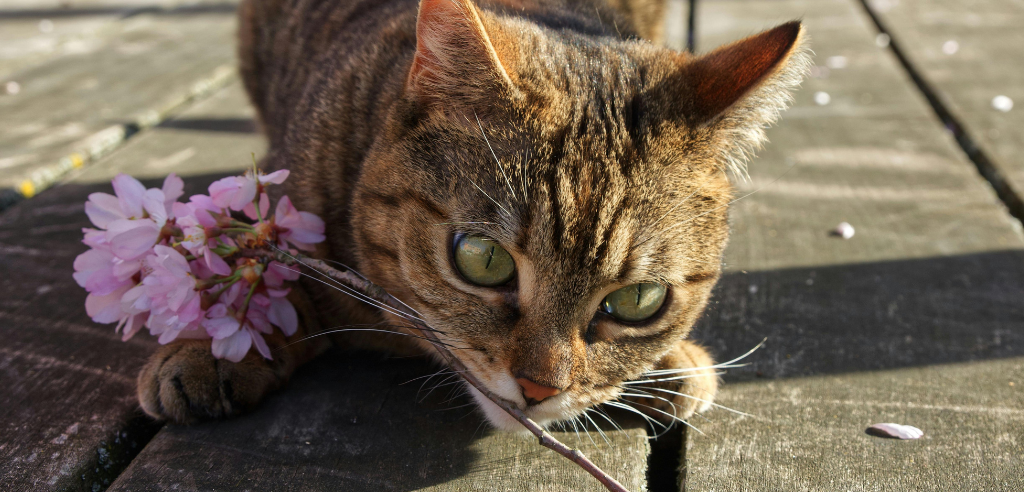
Spring brings blooming gardens and more outdoor time for pets. But many common flowers and plants can be toxic to dogs and cats, turning a simple walk or garden visit into a serious risk.
What plants are toxic to dogs and cats in spring?
Common toxic spring plants include daffodils, tulips, lilies, foxglove, azaleas, and bluebells. These plants can cause symptoms ranging from vomiting and drooling to severe organ damage and heart complications.
According to the RSPCA, plant poisoning is a frequent issue, especially during seasonal changes when pets explore more.
Most Toxic Spring Plants for Pets
Daffodils -Toxic to both dogs and cats, especially the bulbs. Can cause vomiting, diarrhoea, and heart issues.

Foxglove – Affects the heart and can lead to serious illness if ingested.

Tulips and Hyacinths – Bulbs contain concentrated toxins that may lead to drooling, stomach upset, and increased heart rate.

Lilies (Extremely Dangerous for Cats) – All parts of lilies are toxic to cats, including pollen. Even small exposure can cause kidney failure.

Bluebells – Common in many outdoor areas and can cause stomach irritation if eaten.

Azaleas and Rhododendrons – Highly toxic shrubs that can cause vomiting, weakness, and cardiovascular issues.

Symptoms of Plant Poisoning in Pets
Watch for:
- Vomiting or diarrhoea
- Excessive drooling
- Lethargy or weakness
- Tremors or seizures
- Irregular breathing or heart rate
If you notice any of these symptoms, contact your vet immediately.
Where Pets Are Most at Risk
Toxic plants aren’t just found in gardens. Risks also exist in:
- Parks and woodland areas
- Public spaces and trails
- Indoor bouquets and decorations
Even indirect exposure, such as lily pollen on fur, can be dangerous for cats.

How to Keep Your Pet Safe This Spring
- Identify toxic plants in your environment
- Supervise pets during outdoor exploration
- Avoid bringing harmful flowers into your home
- Act quickly if ingestion is suspected
Spring should be a season of exploration, not risk. Most plant poisoning cases are preventable with awareness.
By understanding the dangers and staying proactive, you can give your pet the freedom to enjoy the outdoors safely.