So just how hot is too hot? Well, that usually depends on who you ask. However, since our pets cannot speak to us, we need to watch for the warning signs while also taking precautions to help prevent harm. To keep this information top of mind, we paired some of our top tips with the name Pawfit to help you remember.
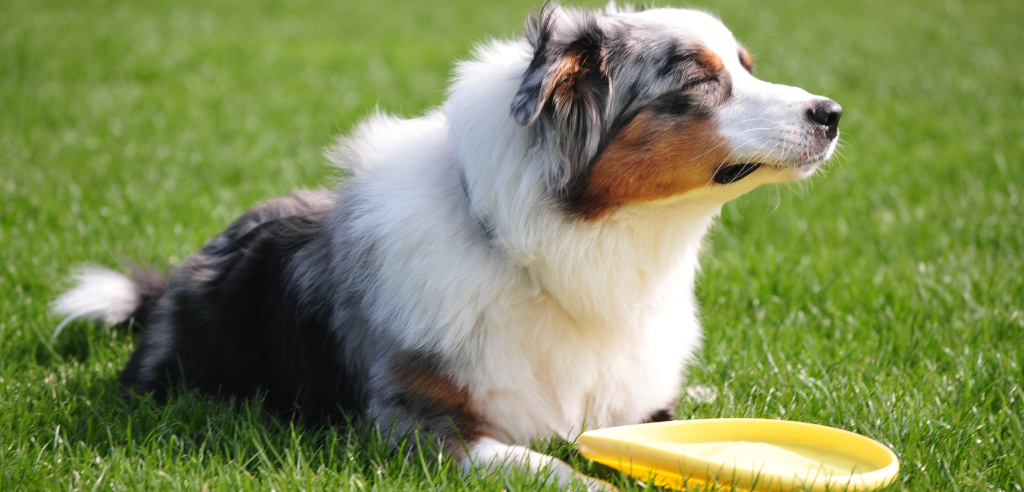
P-Prepare: Read up on warning signs of overheating and other heat-related health issues for your pet. Know what to look for and the immediate steps to take if an issue should arise.
A – Avoid: Be sure to steer clear of hot pavement, which, can harm sensitive paws while walking your dog (or cat). If you walk your pet daily, avoid the midday heat, and change up your routine for cooler mornings or early evenings. Also, avoid leaving your pet in a car for any period of time. An automobile can heat up in seconds or minutes, causing great harm to your pet.
W – Water: Always make sure fresh water is available for your pet. If you take your dog on walks, bring water in a portable container. Even if you are not thirsty, your dog may be, so hydrate them regularly.
F- Frequent: Take frequent breaks when engaging in summer physical activities such as hiking, walking, or running with your pet. Regular water breaks during physical activities will help keep your pet hydrated.
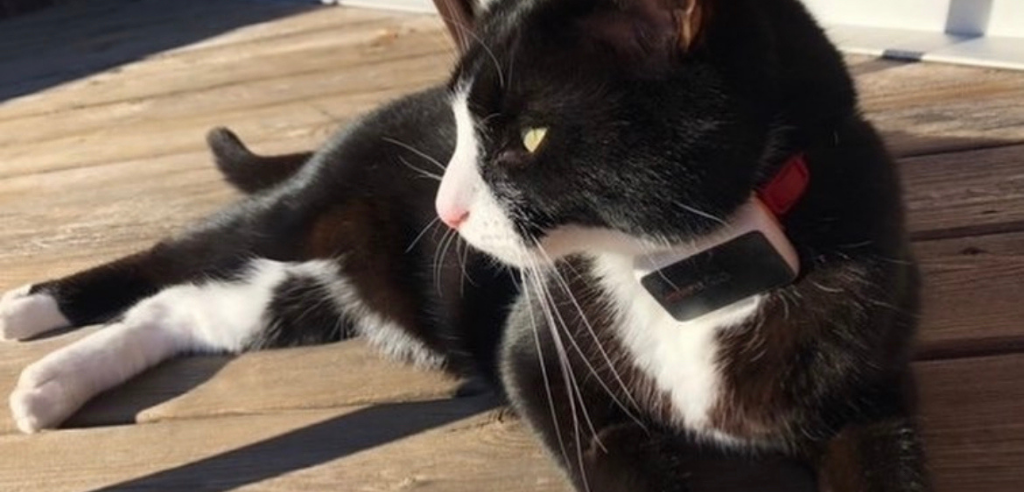
I – Indoors: As much as your dog or cat is begging to be outside, they are not able to make the choices they need to stay cool. Indoor activities such as lick mats can help keep them cool and occupied during extreme heat days.
T- Temperature: Always be aware of your pets’ surroundings, including the temperature level in the summer heat. Some GPS trackers like Pawfit feature a harsh temperature alert. Even if you are soaking in your own swimming pool and don’t realize the mercury has climbed quite high, the harsh temperature alert indicator on the Pawfit 3 can be a crucial safety feature alerting you if the temperature is at a harmful level so you can protect your pet.
For more tips, you can check out the ASPCA for additional info.