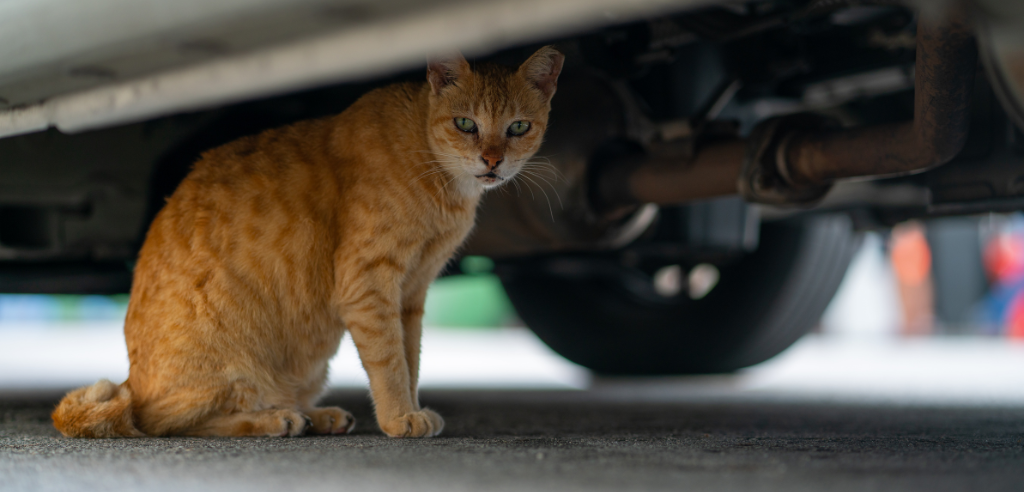
Cats are naturally curious creatures. Whether they are exploring the local neighbourhood, following a scent, or investigating something new, many cats love to venture beyond the comfort of home. While most outdoor cats return safely, their inner adventurer can sometimes lead them further away than expected.
With International Cat Day this month, it is the perfect opportunity to celebrate our feline companions, learn more about their behaviour, and discover how we can help keep them safe.

Why do cats wander?
Cats are natural explorers and while some never leave their home or garden, others travel far and wide. While exploring is part of their natural instincts, and there are several reasons why your cat might decide to go on an adventure:
Curiosity
Cats are incredibly inquisitive. A new smell, unfamiliar sound, or another animal in the area can be enough to encourage them to explore beyond their usual routes.
Hunting Instincts
Even well-fed cats still have strong hunting behaviours. Chasing birds, insects, or small animals can take them further from home than they intended.
Looking For A Mate
Unneutered cats, especially males, are more likely to roam larger distances while searching for a mate
Finding shelter
Cats are experts at finding quiet hiding places. Unfortunately, this can sometimes mean becoming accidentally trapped inside sheds, garages, greenhouses, or other outdoor buildings.
Fear or stress
Loud noises such as fireworks, thunderstorms, or nearby construction work can cause cats to run and hide until they feel safe again. During firework displays for example, academic and veterinary surveys indicate that around 34% to 64% of cats show signs of stress and fear, increases their chances of going missing.
How Far Do Cats Roam?
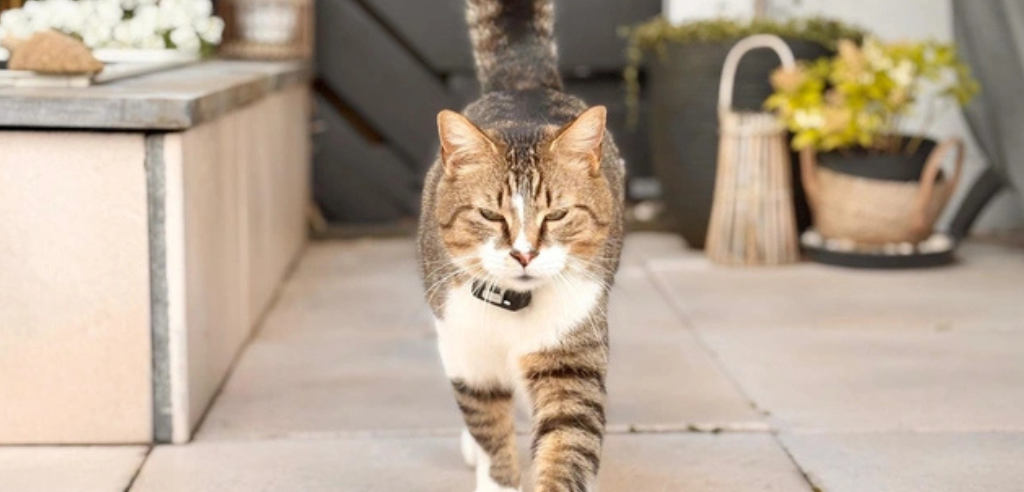
Every cat is different. It’s estimated that the average roaming distance for cats isn’t very far at all, usually around 40 to 200 metres from their home. But research suggests some cats can travel a lot further, covering an area of more than 25 acres. While some may stay close to home, others can explore a much larger area. Their roaming habits depend on factors such as age, personality, whether they are neutered, and their surrounding environment.
This is why it can be difficult to know where to start searching if your cat does not return home. A cat that normally stays in the garden may only be hiding nearby, while a more adventurous cat could be exploring streets away.
What Can You Do If Your Cat Goes Missing?
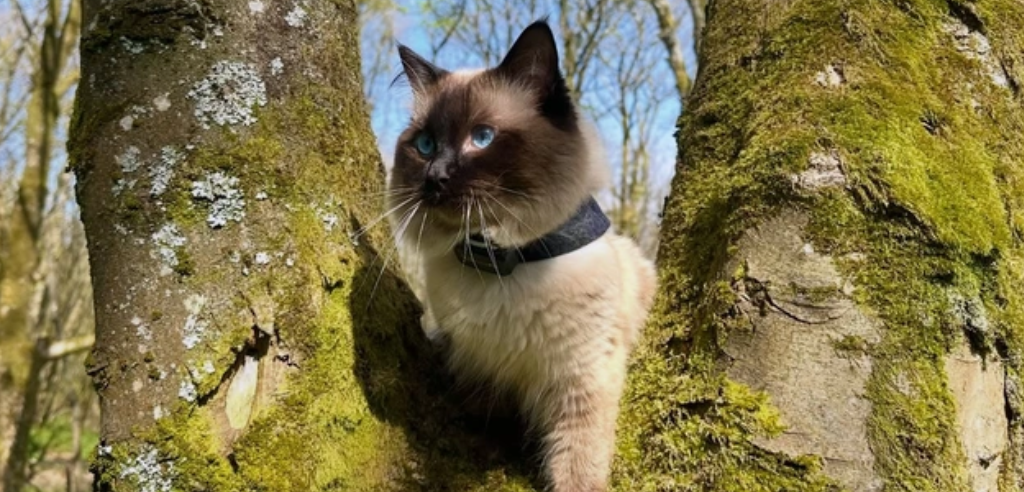
Did you know cats are 9 times more likely to go missing than dogs? If your cat has not returned home, try not to panic. Start by checking nearby hiding places such as gardens, sheds, garages, and underneath cars. Ask neighbours to check enclosed spaces where a curious cat may have become trapped. Studies show that roughly 84% to 92% of lost cats are found hiding within a very short distance, around a five-house radius from their home.
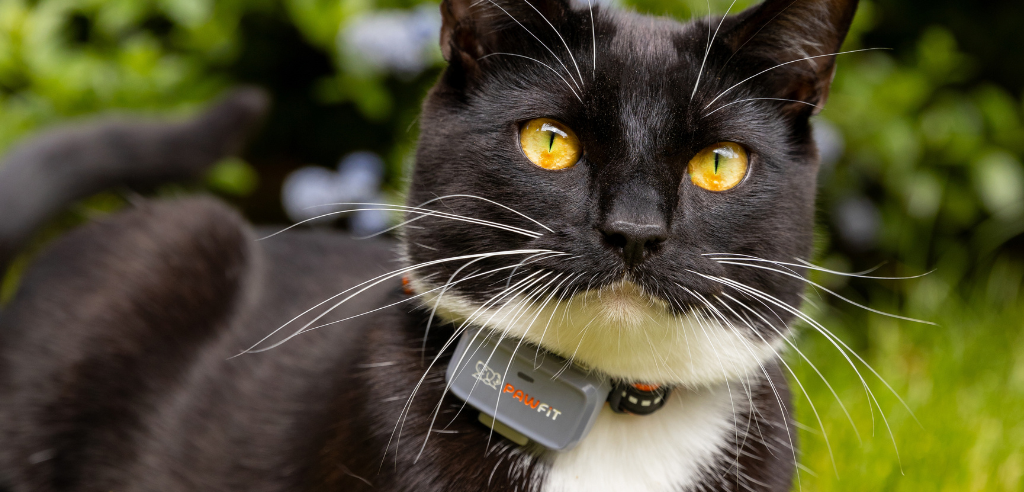
You can also improve your chances of a quick reunion by making sure your cat is equipped with a reliable GPS tracker and microchipped. While a microchip helps identify your cat if they are found, a GPS tracker allows you to see their live location and help find them more quickly while they are still out exploring.
Keeping Your Cat Safe With Pawfit
A microchip can help identify your cat if they are found, but it cannot show you where they are while they are missing. That’s where a Pawfit GPS tracker gives you extra peace of mind by helping you stay connected wherever your cat explores.
With Pawfit, you can:
- Track your cat’s live location and see where they are in real time.
- Create Safety Zones and receive alerts when your cat leaves or returns to a chosen area.
- Use Find Nearby, Pawfit’s Bluetooth radar feature, to help locate your cat if they are hiding close by in areas GPS signal may be weak (like indoors, or underneath buildings/objects)
- Check Location History to understand your cat’s favourite routes and adventures.

Let’s celebrate our cat’s curious nature while helping them explore safely. Because every adventure is better when you know your cat can find their way home.